Genesis Bordner
A resident-focused candidate
County Council doesn't control everything - but it does have enough power to make your life easer or harder.
Wetlands, Rivers, and Drinking Water Protection
What’s happening:
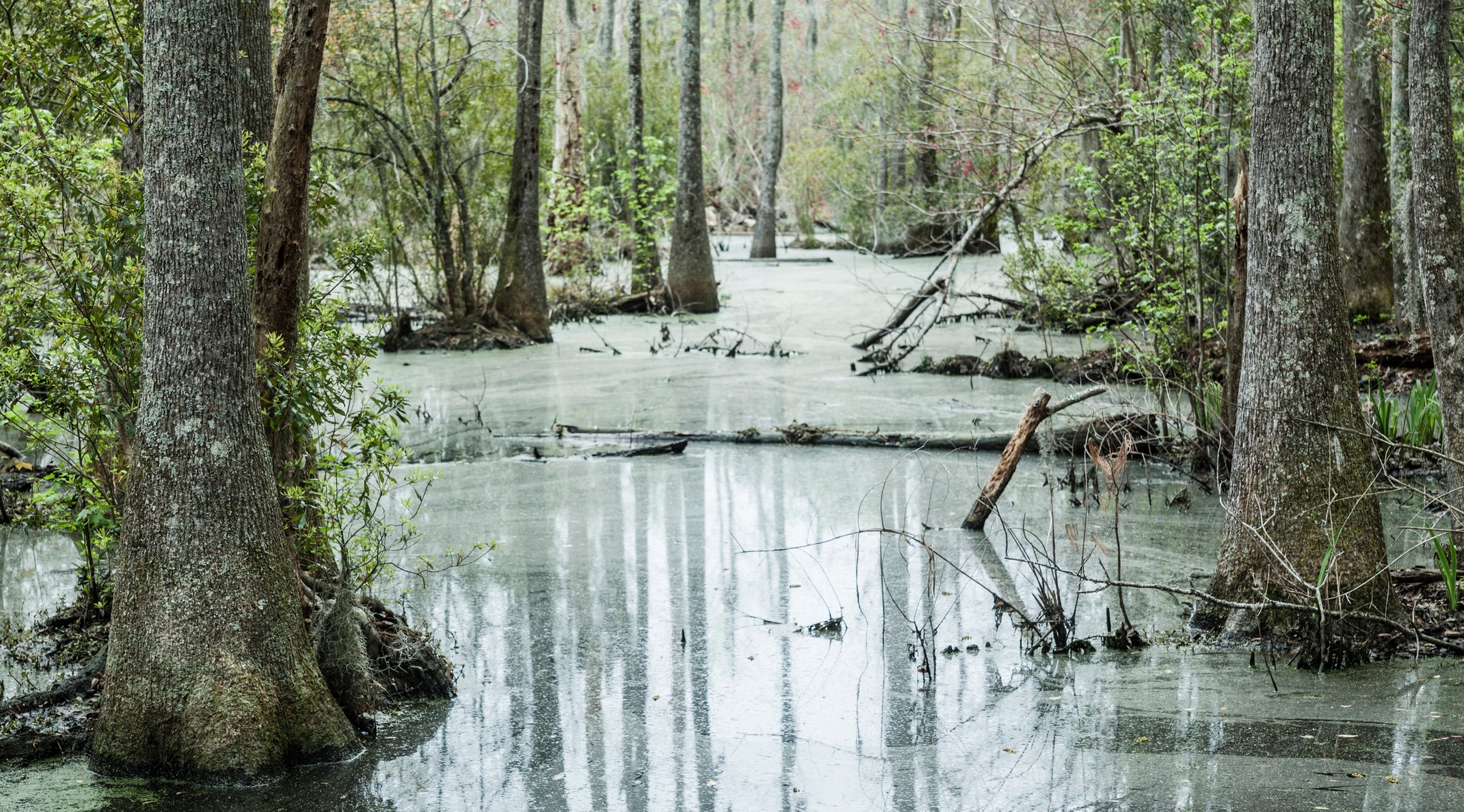
Horry County is growing fast—and with that growth comes increasing pressure to develop land that plays a critical role in protecting our community.
Wetlands, natural waterways, and floodplains aren’t “empty space.”
They absorb floodwater, filter pollution, and protect the quality of the water we rely on every day.
We’ve known for decades that disturbing these systems creates long-term consequences—more flooding, poorer water quality, and higher costs for residents down the line.
What the county actually controls
County Council has direct influence over:
Zoning and land use decisions
Development approvals
How we balance short-term growth with long-term environmental stability
These decisions matter—and they are happening right now.
Where I stand
I am clear on this:
I will not vote for any proposal that I believe threatens our wetlands, rivers, natural waterways, or drinking water.
Not for short-term revenue.
Not for convenience.
Not because it’s easier than saying no.
What I will do
Push for responsible, well-reviewed development that respects natural flood and water systems
Prioritize long-term environmental stability over short-term financial gain
Advocate for transparency so residents understand how decisions impact their land, water, and safety
What I won’t do
I won’t support projects that gamble with our water quality or increase flood risk for existing residents.
We should not be solving today’s problems by creating bigger ones tomorrow.
Accountability
If a proposal comes forward that impacts our wetlands or waterways, you will know exactly where I stand—and why.
Cost of Living & Energy Pressure
What’s happening:
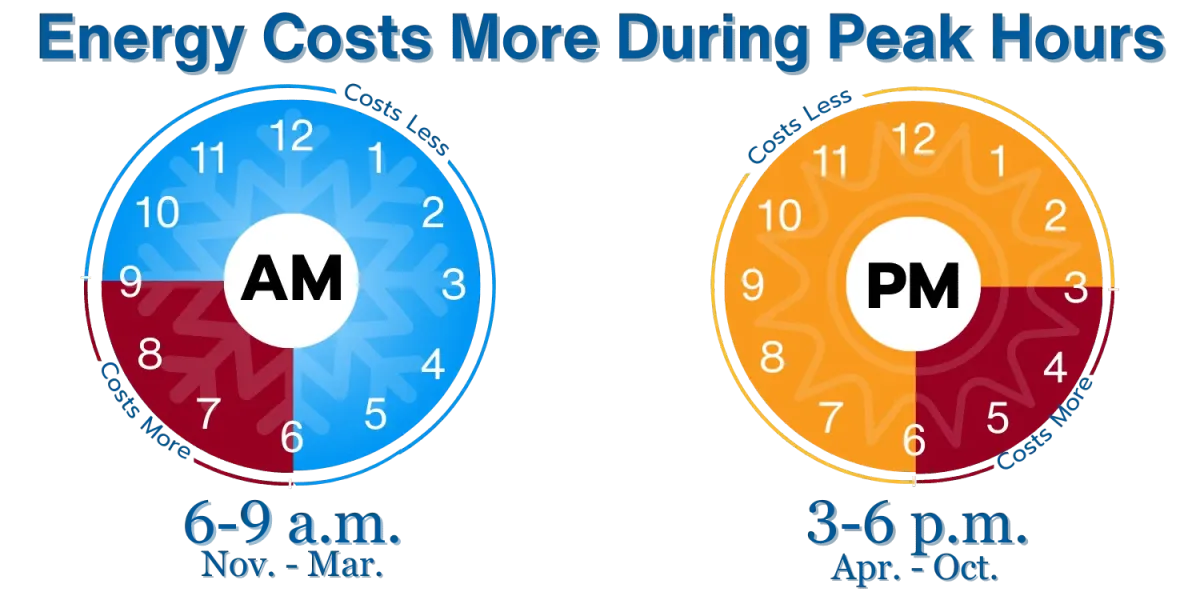
Families across Horry County are feeling the strain of rising costs—and for many, energy bills have become one of the most unpredictable and frustrating parts of their monthly expenses.
We’re seeing peak pricing, seasonal spikes, and a growing gap between what people earn and what it costs to live here.
For a lot of residents, it’s not about cutting back anymore—it’s about trying to keep up.
What the county actually controls
County Council does not set utility rates—but it does influence:
Local infrastructure planning and development patterns
Whether we expand strain on the grid or reduce it
How we support or limit alternative, locally generated energy solutions
These decisions shape how much pressure gets put on the system—and ultimately, on your bank account.
Where I stand
We cannot keep pushing more demand onto a system that is already struggling while displacing the cost of poor planning onto regular people.
I believe we need to start thinking differently about how energy is produced, distributed, and supported at the local level.
What I will do
Support infrastructure decisions that reduce strain on the grid instead of increasing it.
Advocate for policies that make it easier for property owners to generate and contribute energy locally where appropriate.
Prioritize practical, cost-conscious solutions that help stabilize long-term energy pressure for residents/
What I won’t do
I won’t support decisions that ignore the growing cost burden on residents or treat rising energy expenses as “just the way it is.”
Accountability
You deserve to understand how local decisions impact your cost of living.
I will clearly explain how my votes and positions connect to the real financial pressures residents are facing.
Infrastructure First - We need to start by taking care of what we already have
What’s happening:
Horry County is growing quickly—but much of that growth is happening by expanding outward instead of strengthening what we already have.
That approach comes with real costs:
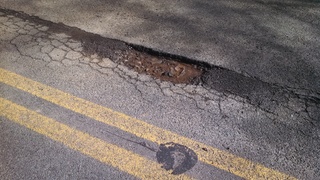
Existing roads, drainage systems, and utilities fall behind
Traffic and flooding issues worsen in previously-developed areas
Taxpayers end up funding both expansion and the repair of neglected infrastructure
Over time, this becomes more and more expensive while eroding our quality of life
What the county actually controls
County Council plays a direct role in:
Infrastructure planning and prioritization
Development approvals and where growth is directed
How taxpayer dollars are allocated between expansion and maintenance
These decisions determine whether we plan responsibly, stretch our resources, or take action at all
Where I stand
It is more cost-effective—and more responsible land use—to maintain and improve what we’ve already built before expanding even further into undeveloped land.
That doesn’t mean stopping growth.
It means growing in a way that doesn’t trample on existing communities and the local way of life.
What I will do
Prioritize infrastructure upgrades in areas that are already developed and under strain.
Support development patterns that make better use of existing roads, utilities, and services.
Advocate for balanced planning that considers long-term costs and planning.
What I won’t do
I won’t support growth strategies that ignore existing infrastructure needs or push the cost of neglect onto current residents.
A balanced approach
Horry County is not one-size-fits-all.
Different areas have different needs—whether it’s protecting rural land in Aynor, supporting growing communities in Myrtle Beach, or improving aging infrastructure in Bucksport.
Responsible leadership means recognizing those differences and making decisions that balance peoples needs across the county - not just in the most lucrative areas.
Accountability
When it comes to growth and infrastructure, I will clearly explain how decisions impact cost, quality of life, and long-term sustainability - so you never have to guess where your tax dollars are going.
Sign up to get emails about the campaign, key issues, and how to get involved
I WANT to hear from you!